How I Organize My Garden for Year-Round Blooms
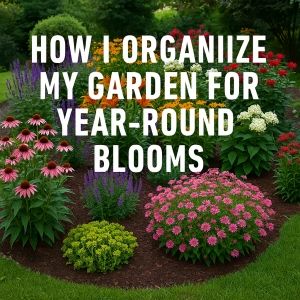 Gardening has always been one of my favorite hobbies. It gives me a sense of calm and joy, especially when I see flowers blooming in every season. Over the years, I have learned how to plan and organize my garden so there is always something flowering no matter the month. Today I want to share my tips and ideas to help you create a garden that feels alive all year long.
Affiliate Disclosure: This post contains affiliate links. If you purchase through these links, I may earn a small commission at no extra cost to you.
Start With a Garden Calendar
The first step to organizing a year-round blooming garden is knowing what blooms when. I keep a simple garden calendar where I jot down which flowers are in bloom each month. This helps me spot gaps and plan for more color in those empty times.
A physical planner or even a digital calendar app works great. I also recommend a gardening journal like this one on Amazon that makes it easy to track planting dates, bloom times, and care notes.
Choose Plants for Each Season
To enjoy flowers all year, you need to pick plants that bloom at different times. Here is how I break it down:
Spring
Spring bulbs like tulips, daffodils, and hyacinths bring an explosion of color. Plant them in fall so they are ready to bloom as soon as the weather warms. Perennials such as peonies and irises also make spring feel magical.
Summer
For summer, I rely on long-blooming plants like daylilies, coneflowers, and black-eyed Susans. Annuals such as petunias and marigolds are wonderful for filling in spaces and adding vibrant colors.
I use hanging baskets with trailing flowers like calibrachoa to add visual interest at different heights.
Fall
Autumn does not have to mean the end of color. Chrysanthemums, asters, and sedum keep my garden lively. Ornamental grasses also add movement and texture as they sway in the breeze.
Winter
Winter blooms can be harder to achieve, but hellebores (also called Lenten roses) and winter jasmine provide subtle beauty. Evergreens like boxwood and holly keep the garden structure interesting even without flowers.
Layer Your Garden
To make the most of your space, think in layers. Plant tall shrubs or trees at the back, mid-sized perennials in the middle, and shorter ground covers or annuals at the front. This layering keeps your beds looking full throughout the year.
A great tool for planning garden layers is a garden design kit that lets you sketch layouts and visualize heights and bloom colors.
Plan for Succession Planting
Succession planting means planting new flowers as others fade. For example, as spring bulbs finish, you can plant summer annuals in their place. This approach ensures there are no bare spots.
I keep a set of garden tools ready for quick swaps and planting sessions. A sturdy trowel and a pair of gloves make all the difference.
Include Containers and Pots
Potted plants let you add seasonal color even if your garden beds are full. You can move them around for maximum impact or bring tender plants indoors when frost threatens.
Consider a set of self-watering planters for low-maintenance blooms. They are especially handy during busy seasons when daily watering feels overwhelming.
Use Mulch and Ground Covers
Mulch helps retain moisture, suppress weeds, and keep soil temperatures stable. Ground covers like creeping thyme or ajuga fill gaps and offer small bursts of color while protecting your soil.
I love using a mulching mat for larger beds. It saves time and effort and looks neat and tidy.
Attract Pollinators for a Healthier Garden
Butterflies, bees, and hummingbirds keep your garden thriving. Choose nectar-rich flowers like lavender, bee balm, and zinnias. Adding a butterfly house or a bee hotel encourages helpful visitors to stick around.
Make Maintenance a Routine
A garden that blooms all year needs regular care. I spend a little time each week deadheading spent blooms, pruning shrubs, and checking for pests. Investing in a good pruning set has made this much easier.
You can also use a garden kneeler seat to protect your knees and back during long weeding sessions.
Plan for Focal Points
Seasonal focal points like a blooming magnolia in spring or a large pot of mums in fall give your garden year-round appeal. Adding a bench or a birdbath also provides structure and charm when flowers are scarce.
Enjoy the Process
Remember, a garden is always a work in progress. There will be times when a plant does not perform as expected, or a bed feels bare. That is part of the learning and the joy. Each season is a chance to adjust and experiment.
I hope my approach inspires you to plan your own garden for year-round blooms. Start small if you need to and add more as you go. With a little planning and the right tools, you can create a space that delights you every month of the year.
What are your favorite flowers for year-round color? Share your tips in the comments below.