
Garden vs. Dog Mayhem: How to Keep Your Lawn Thriving as a Busy Work-from-Home Mom
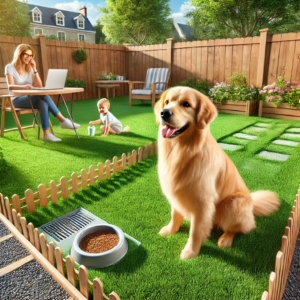
Gardening vs. Dog Mayhem: How to Keep Your Lawn Thriving as a Busy Work-from-Home MomYou finally sit down at your desk, ready to tackle a busy workday. Coffee? Check. Laptop? Open. Kids? Preoccupied—for now. You glance out the window, expecting to enjoy a view of your well-manicured lawn, only to spot your neighbor’s dog doing the unthinkable right on your favorite patch of grass.

Sound familiar?

If you work from home, your backyard is more than just a patch of grass—it is an extension of your workspace, a retreat for when you need to escape the chaos of work calls and client emails. But when dogs turn your lawn into their personal restroom and excavation site, that sanctuary quickly starts looking like a battlefield.

Balancing home, work, and kids is already a juggling act. Add dog pee patches, surprise landmines, and holes big enough to swallow a toddler, and suddenly, your peaceful home office view becomes a source of stress. The good news? You do not have to choose between having a thriving lawn and letting dogs be dogs. With a few smart strategies, you can reclaim your yard without adding another full-time job to your plate.

Let’s dig in—pun fully intended.

What Dog Pee and Poop Really Do to Your Lawn

Imagine if every time you had your morning coffee, you poured a little extra nitrogen onto your grass. Sounds good, right? Grass loves nitrogen! Except when it comes in the form of dog urine, which is like giving your lawn a caffeine overdose. It starts strong, but before long, you have scorched, yellowed patches that scream “this is why we cannot have nice things.”

  • Dog pee is the ultimate lawn double agent. It contains high levels of nitrogen, which in small doses can actually be good for your grass. The problem? Dogs are creatures of habit. They return to the same spot over and over, hitting your poor lawn with a concentrated blast of fertilizer it never asked for. The result? Dead spots surrounded by lush green growth, because the edges of the “pee zone” get just the right amount of nitrogen while the middle gets fried.

  • Dog poop is not just gross—it is a microbial nightmare. Unlike cow manure, which farmers use as fertilizer, dog waste is acidic and filled with bacteria that can actually harm soil health. It does not break down fast enough to be beneficial, and if left unattended, it can introduce harmful pathogens into your yard.

  • Digging turns your lawn into an archaeological site. Whether your dog is convinced there is buried treasure in your flower beds or they are just cooling off on a hot day, digging is another lawn-wrecker. Exposed roots, torn-up sod, and dirt piles are not exactly the aesthetic you were going for.

Amazon Affiliate Disclaimer: Hey there! Just a heads-up—some of the links on this site are Amazon affiliate links. This means that if you click on a link and make a purchase, I may earn a small commission at no extra cost to you. I only recommend products I truly believe in and think could be helpful. Your support helps keep this site running so I can continue sharing useful content.

More things to consider:

  1. Is your grass type making the problem worse? Some varieties, like Kentucky Bluegrass, are more sensitive to dog urine than others.
  2. Do you have a designated dog zone in your yard, or are they free to roam and wreak havoc wherever they please?
  3. Are you unknowingly encouraging bad habits by not addressing the problem early?

So how do we fight back without turning lawn maintenance into another full-time job?

Gardening Strategies to Dog-Proof Your Lawn

Smart gardening is about working with nature—not against it. And yes, that includes your four-legged friend’s natural instincts.

Practical Ways to Create a Dog-Resistant Yard Without Sacrificing Beauty:

  • Choose Hardy, Pet-Friendly Grass Types
    Not all grass is created equal, and some varieties are more dog-proof than others. If your lawn looks like a crime scene after a rainstorm, it might be time for a switch. Consider:

    1. Perennial Ryegrass: Quick to grow back and more tolerant to foot traffic (and paw traffic).
    2. Fescues: Known for their resilience and ability to thrive in various conditions.
    3. Bermuda Grass: Tough, dense, and resistant to damage from urine, digging, and general wear and tear.
      Think of these grasses as the MVPs of your lawn, able to withstand the chaos of dog playdates without losing their cool.
  • Use Natural Deterrents
    A little vinegar spray around delicate areas can work wonders—dogs hate the smell, but your plants will not mind. Citrus plants also act as natural repellents, keeping Fido from nosing around in your prized rose bushes. Another idea? Sprinkle cayenne pepper in areas you want to protect. It sounds cruel, but it is a harmless way to encourage dogs to choose another spot (and it makes your neighbor’s cat reconsider your garden as a litter box).

  • Set Up Mini Fences or Barriers
    We get it—fences can ruin the aesthetic. But think of them as stylish dog traffic control. Low garden fences around sensitive areas or flower beds can be both functional and decorative. Choose materials that blend into your landscaping, like bamboo or wrought iron.
    Have a problem with dogs digging up your vegetable garden? Lay down some chicken wire beneath the soil. It stops the digging cold but is hidden from view, so your garden still looks picture-perfect.

  • Create a Designated “Dog Zone”
    Dogs are creatures of habit, so why not use that to your advantage? Set up a specific area in your yard for your dog to do their business. Fill it with mulch, pea gravel, or artificial turf, and train your dog to go there.
    One busy mompreneur transformed a corner of her backyard into a “doggy paradise” complete with a digging pit, toys, and a shade area. The result? Her lawn stayed green, her flowers bloomed, and her dog had a dedicated space to be a dog without wreaking havoc on the rest of the yard.

Questions to Consider:

  1. Are you using plants in your garden that naturally repel dogs?
  2. Is there an area in your yard you could easily convert into a dog-friendly zone?
  3. Could a simple barrier or deterrent solve your most frustrating lawn issues?

These strategies take some upfront effort, but the payoff is a lawn that looks great and a dog that stays happy and entertained. And best of all, it is one less thing for you to stress about while juggling work and family life.

Now, let’s dive into some time-saving lawn care ideas next.

3. Time-Saving Lawn Care Tips for Moms Who Work from Home

Let’s be real—between Zoom calls, school pickups, and making sure no one (human or canine) burns the house down, spending hours maintaining the perfect lawn is not exactly at the top of the to-do list. The goal here is simple: a great-looking yard with the least amount of effort possible.

Low-Maintenance Grass and Plant Options:

If your grass can not handle the wear and tear of daily dog zoomies, it is time to make your yard work for you, not against you.

  1. Drought-Resistant and Hardy Grasses:

    • Bermuda Grass: Tough, fast-growing, and dog-resistant.
    • Buffalo Grass: Low water needs and self-repairing.
    • Zoysia Grass: Thick and durable, making it great for high-traffic areas.
  2. Alternative Ground Covers:

    • Clover: Less prone to yellow patches from urine and requires less mowing.
    • Artificial Turf: No mowing, no watering, no problem.
    • Mulch or Pea Gravel: Perfect for designated dog zones.

Switching up your grass or adding mulch in high-traffic areas can drastically reduce maintenance time. Imagine not having to drag out the hose every other day to revive patchy grass—sounds like a win.

Mulching Tricks to Cut Down on Watering and Weeding:

Think of mulch as the lazy gardener’s best friend. It retains moisture, reduces weeds, and—bonus—keeps dogs from turning your flower beds into their personal sandbox.

  • Cedar Mulch: Natural bug repellent and has a pleasant smell.
  • Rubber Mulch: Long-lasting and does not attract bugs or mold.
  • Bark Chips: Great for aesthetic appeal while keeping paws clean.

Laying down a thick layer of mulch around your plants means fewer weeds to pull, less watering to do, and less stress overall. Because who has time to be out there every weekend playing tug-of-war with dandelions?

A Lawn Care Calendar for Busy Moms:

Instead of spending hours maintaining your yard, break it down into quick, manageable tasks.

  • Daily (5 minutes): Quick scan for any new dog-related “gifts.”
  • Weekly (15–20 minutes): Mow only if needed, spot-treat any problem areas.
  • Monthly (30 minutes max): Reseed patches, refresh mulch, check for compacted soil.

Keeping it simple helps you stay on top of lawn care without turning it into another overwhelming chore.

Quick DIY Treatments for Urine Spots:

Dog pee damage is annoying, but you don’t need a degree in lawn science to fix it.

  • Baking soda + water solution: Neutralizes excess nitrogen.
  • Sprinkling gypsum: Helps break down minerals that cause burn spots.
  • Encouraging more hydration: A well-hydrated dog has less concentrated urine, reducing the damage.

One of my neighbors shared how she saved her lawn by simply keeping a watering can near her porch—every time her dog peed, she gave the area a quick splash of water to dilute the nitrogen before it could burn the grass. No fancy chemicals, no extra effort—just a simple habit that made all the difference.

Now, let’s talk about how to get the whole family (and your dog) involved in keeping your yard looking great.

4. Engaging the Family (and the Dogs!) in Lawn Care

If lawn care feels like another chore you have to squeeze between work deadlines and school pickups, it is time to get some backup. And by backup, I mean your kids, partner, and even your dog.

Let’s face it—when you are already juggling work, family, and keeping a business running from home, the last thing you need is a full-time job as the neighborhood landscaper. Instead of doing it all yourself, turn yard care into a family (and pet) affair. With a few creative strategies, you can delegate, distract, and train your way to a dog-friendly, kid-friendly, and mom-approved lawn.

Teaching Kids Simple Yard Maintenance Tasks:

Getting kids involved in lawn care is not just about reducing your workload—it is about teaching responsibility and sneaking in some screen-free outdoor time.

Here are some easy, age-appropriate tasks kids can handle:

  1. Toddlers (Ages 2–4)

    • Hand them a small watering can and let them "water" plants (even if they mostly water their shoes).
    • Have them help pick up safe items from the yard (small sticks, leaves).
  2. Young Kids (Ages 5–8)

    • Teach them to use a small rake to gather leaves or spread mulch.
    • Have them help plant flowers, herbs, or clover patches.
    • Assign a "pee spot patrol" to remind the dog where to go.
  3. Older Kids & Tweens (Ages 9+)

    • Let them take charge of watering schedules with a hose or sprinkler.
    • Show them how to spot and treat dog pee patches.
    • Give them a "landscaping project" like building a mini rock border or setting up a flower bed.

Turning it into a fun challenge (or even rewarding it with small incentives) makes kids more likely to participate without you having to beg.

Creating a Designated “Doggy Potty Area”

Dogs are creatures of habit, and if left unchecked, they will habitually destroy your lawn. But just like kids can be trained to put away their toys (in theory), dogs can be trained to go in the right places.

Steps to Set Up a Doggy Potty Zone:

  1. Pick a spot away from the main lawn (a corner or along a fence line).
  2. Cover the area with pea gravel, artificial turf, or mulch (materials that absorb urine without damaging grass).
  3. Train your dog by leading them to the area on a leash and rewarding them every time they use it.
  4. Add a fun sign like “Dog Restroom” or “Pee Here, Not There.”

One work-from-home mom shared how she trained her dog to use a designated “pee patch” using nothing but positive reinforcement and some strategically placed treats. The best part? No more surprise landmines in the middle of her lawn.

Setting Up a Small Garden Patch for the Kids

If your kids constantly trample your flowers while chasing the dog, give them their own little garden space.

  • Let them plant easy-grow plants like sunflowers, marigolds, or cherry tomatoes.
  • Teach them how to pull weeds (without pulling your prized plants).
  • Give them small tools and let them “help” with mulching, watering, or decorating the yard.

Not only does this keep them engaged, but it also teaches them responsibility and appreciation for nature (while keeping them out of your flower beds).

By making small, intentional changes, you turn your yard into a shared space where everyone (including the dog) has their own designated area. That means fewer messes, less work for you, and a lawn that looks great without feeling like another full-time job.

Now that we have the whole family on board, let’s wrap up with some final action steps you can take right away to keep your lawn thriving.

Conclusion: Reclaiming Your Lawn Without Losing Your Sanity

At the end of the day, your lawn should be a place of peace, not frustration—a spot where you can sip your coffee, take work calls, or watch your kids and dog play without constantly worrying about pee spots, poop mines, or garden destruction.

With the right strategies, you do not have to choose between a thriving lawn and a happy dog. A few small tweaks—like choosing resilient grass, setting up a designated dog area, and getting the whole family involved—can turn yard care into a manageable, low-maintenance task instead of an ongoing battle.

Here is what you can do right now to start seeing results:

  1. Identify your biggest issue – Is it pee spots, digging, poop problems, or all of the above?
  2. Make one quick fix – Add mulch to high-traffic zones, start diluting dog urine with water, or put up a small fence around your flower beds.
  3. Start training – Guide your dog to a designated potty area or introduce a digging box.
  4. Delegate! – Assign simple yard care tasks to your kids and get the whole family on board.
  5. Give yourself grace – You do not need a golf-course lawn to have a beautiful, functional yard. Aim for progress, not perfection.

So, what is the #1 thing you wish you could fix in your yard? Comment below!

As a busy mom and business owner, your time is valuable. You do not need an elaborate landscaping plan or hours of labor-intensive yard work to have a beautiful, functional space. With a few smart choices and creative fixes, you can enjoy a green, thriving lawn without sacrificing your sanity.

So go ahead—train that dog, recruit those kids, and reclaim your backyard. Your lawn (and your stress levels) will thank you!

adorable white t-shirts with cat

Show off your love for cats with this adorable Felix the Country Cat t-shirt, available now in our Redbubble store! The charming design captures the playful spirit of Felix in full color, making it a must-have for any cat lover. Whether you're out on the town or relaxing at home, this cute and comfy white t-shirt is sure to become a favorite. Don’t miss out!

Leave a Comment

You must be logged in to post a comment.